
I will share about Christian books I have read or listened to.
I will be sharing about my life before and after Christ. I will include stories about my pet and other pets I have encountered.

Your Good Shepherd
Shepherding has been a vital part of Middle Eastern life for thousands of years. And 2,000 years ago in ancient Israel, shepherds played an especially important role in the local economy.
Shepherds would not only lead their sheep to green pastures and freshwater, but they would also defend their flocks against predators, robbers, and other natural threats. They would nurture the weak, chase after wandering sheep, fix fences, persevere through extreme weather, and endure long seasons of loneliness.
If necessary, a shepherd would even put himself in harm’s way, risking his own life for his sheep.
It’s this ordinary, lonely life that Jesus chose to use to explain who He was to His people…
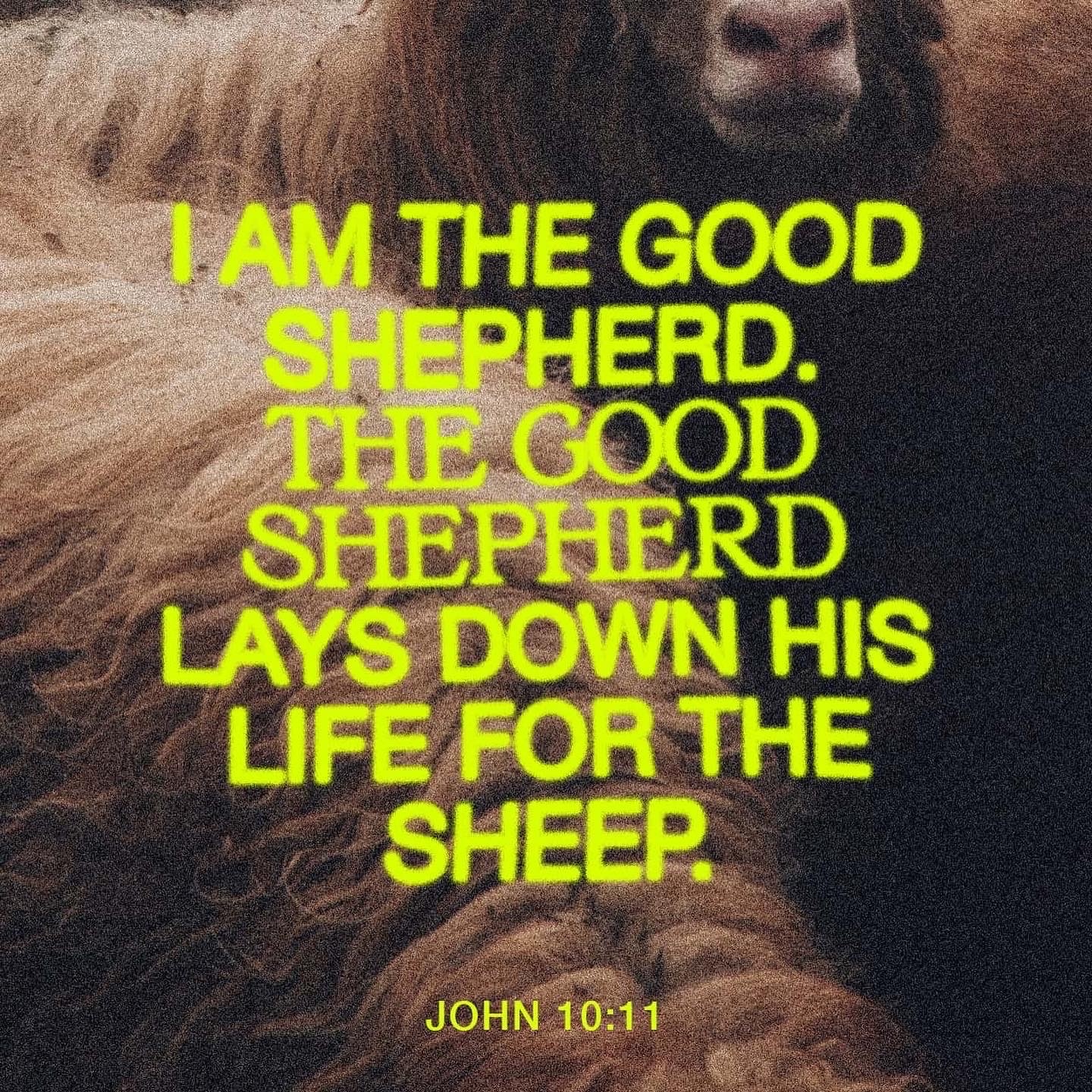
“I am the good shepherd. The good shepherd lays down his life for the sheep.”
John 10:11 ESV
By using a tangible example that first-century Jews would have understood, Jesus revealed characteristics about Himself.
Just like a shepherd, Jesus was—and is—humble, selfless, hardworking, concerned with the details of our lives, tender, brave, dedicated, and unafraid to lay down His life for His people.
But Jesus isn’t just a good shepherd; He is the Good Shepherd— and He wants to be your personal shepherd. So will you let Him? Will you trust Him with your life today?