
I will share about Christian books I have read or listened to.
I will be sharing about my life before and after Christ. I will include stories about my pet and other pets I have encountered.

Turn Toward What Matters
Around 957 B.C., after King Solomon spent years planning, building, and, finally dedicating the temple that his father, King David, had longed for—God made Himself known by sending fire down from heaven and filling the temple with His presence.
Then the Lord appeared to Solomon at night, explaining how He’d heard his prayer and chosen his temple—reminding Solomon how the Israelites should respond when they encounter hard things. He said:
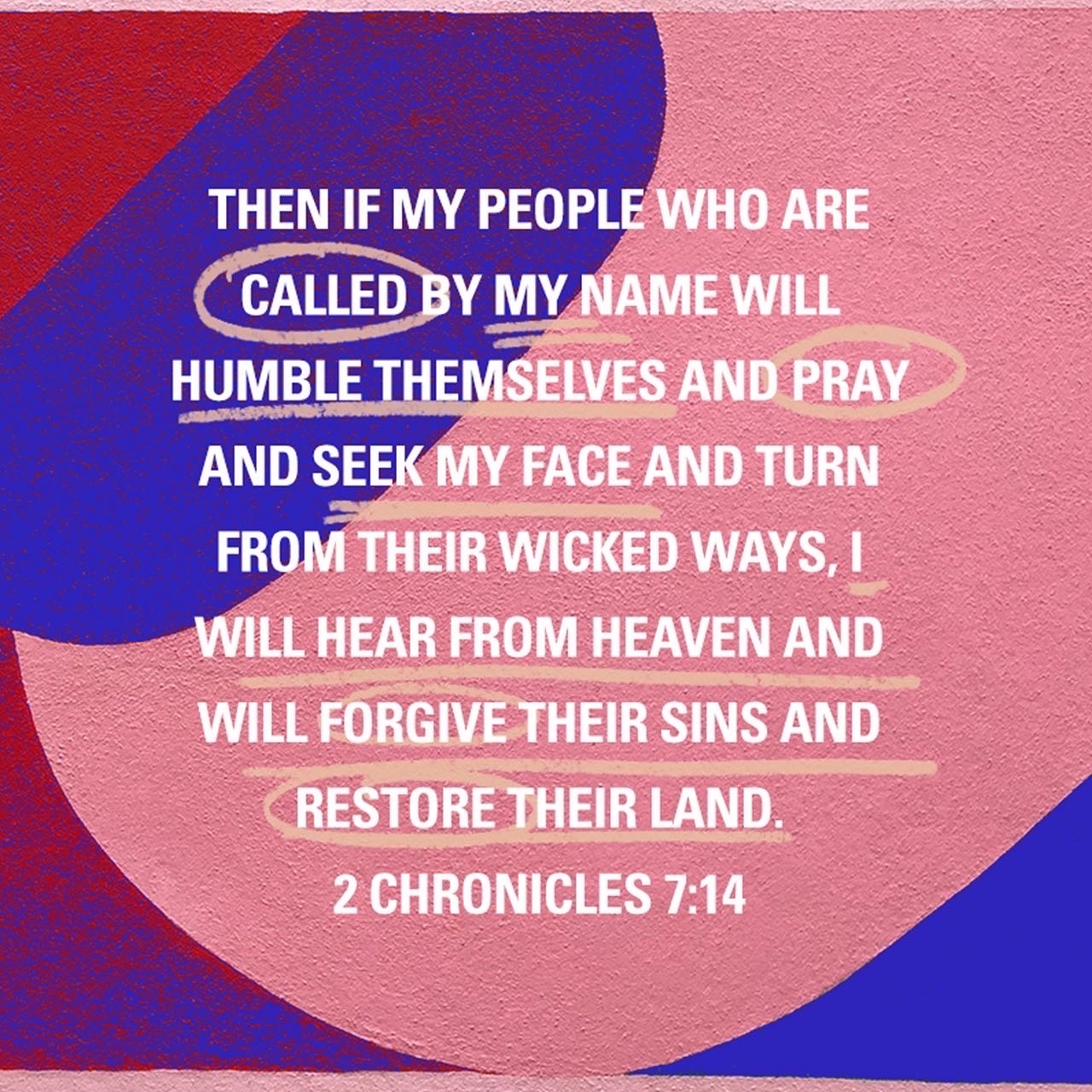
“Then if my people who are called by my name will humble themselves and pray and seek my face and turn from their wicked ways, I will hear from heaven and will forgive their sins and restore their land.”
2 Chronicles 7:14 NLT
Though this specific message was given to a specific people at a specific time in history—humbling ourselves, seeking God, and turning from our sins are timeless actions that we should continue to live out.
True humility, honest prayer, and genuine repentance are the keys to intimacy with God.
And we can’t fake it. We can’t just go through the motions. We can’t merely pretend to “look” humble and repentant … and we can’t do these things on our own.
We need to come to God in order to receive His help. We need Him in order to maintain a posture of humility, prayer, and repentance.
So if you’ve found yourself feeling distant from God, trying to do things your own way, or intentionally running in the opposite direction of your Creator—it’s not too late to turn around.
You can still come to God, admit that you can’t go through life alone, and seek His help. He’s a loving, forgiving, and healing Father who specializes in making all things new. He never stops inviting us to draw near to Him.
Isaiah 41
English Standard Version
Fear Not, for I Am with You
41 Listen to me in silence, O coastlands;
let the peoples renew their strength;
let them approach, then let them speak;
let us together draw near for judgment.
2 Who stirred up one from the east
whom victory meets at every step?[a]
He gives up nations before him,
so that he tramples kings underfoot;
he makes them like dust with his sword,
like driven stubble with his bow.
3 He pursues them and passes on safely,
by paths his feet have not trod.
4 Who has performed and done this,
calling the generations from the beginning?
I, the Lord, the first,
and with the last; I am he.
5 The coastlands have seen and are afraid;
the ends of the earth tremble;
they have drawn near and come.
6 Everyone helps his neighbor
and says to his brother, “Be strong!”
7 The craftsman strengthens the goldsmith,
and he who smooths with the hammer him who strikes the anvil,
saying of the soldering, “It is good”;
and they strengthen it with nails so that it cannot be moved.
8 But you, Israel, my ...