I will share about Christian books I have read or listened to.
I will be sharing about my life before and after Christ. I will include stories about my pet and other pets I have encountered.

Enduring Setbacks
As a teenager, David was anointed as the next king of Israel. But instead of ascending to the throne in a blaze of glory, he spent years running from Israel’s current king (his father-in-law) who repeatedly tried to kill him.
During this time, David laments to God: he has honest conversations about his situation while holding onto the hope that God can—and will—restore him. Psalm 59 is the result of one of those conversations.
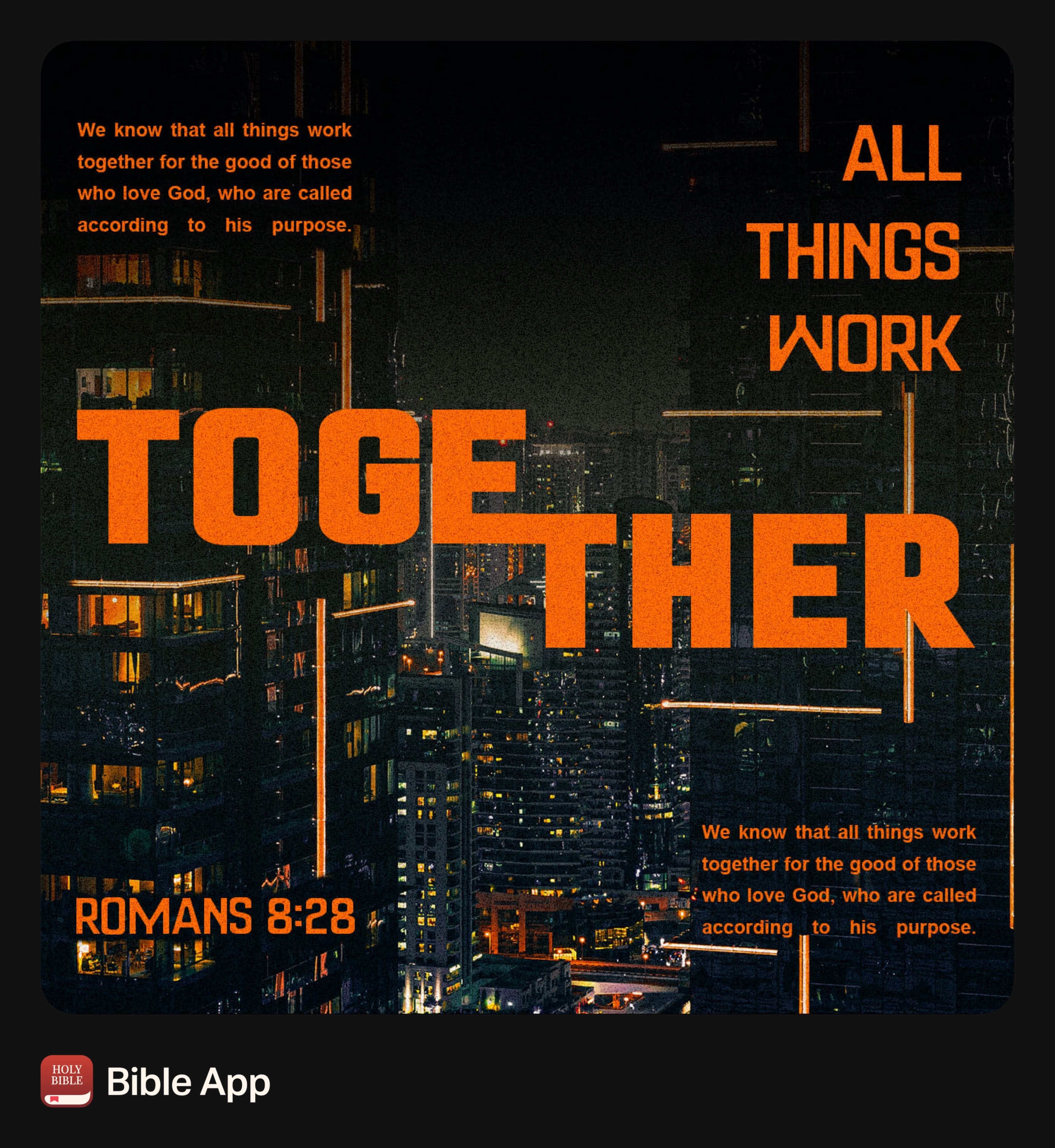
David’s laments allowed him to express his grief, cry out for justice, and remember God’s faithfulness. Focusing on God’s faithfulness reminded David of God’s character, and knowing God’s character helped him hold onto hope. That’s why he could say, “But I will sing of your strength, in the morning I will sing of your love; for you are my fortress, my refuge in times of trouble.” (Psalm 59:16 NIV)
Talking honestly with God helped David recognize that even though his current situation wasn’t good, God was still good, and still worthy of being worshiped. David believed that God was still in control, and that he would one day see the fulfillment of God’s promises.
And one day, God’s promises did come to pass. But God didn’t waste the years David spent as a fugitive: instead, He used them to help David become the leader and warrior Israel needed. The setbacks David endured actually strengthened his character and prepared him for his future purpose. Although his circumstances were painful, God was faithful.
And God can—and will—be faithful with your life.
When you place your hope in Jesus, you never grieve in vain because the God who is now is also the God who will be forever. And He is constantly advocating and acting on your behalf. That’s why, no matter what you face, you can hold onto this hope: Jesus can turn your setbacks and sorrows into setups for your good and His glory.
God can take your pain and use it for His purposes. He can make a way through your desert seasons. He is your source of strength and your refuge in times of trouble. Nothing is impossible for God.
So today, continue to draw closer to Him, and look for evidence of His faithfulness. As you intentionally pursue God, look for ways to worship Him like David did.