
I will share about Christian books I have read or listened to.
I will be sharing about my life before and after Christ. I will include stories about my pet and other pets I have encountered.

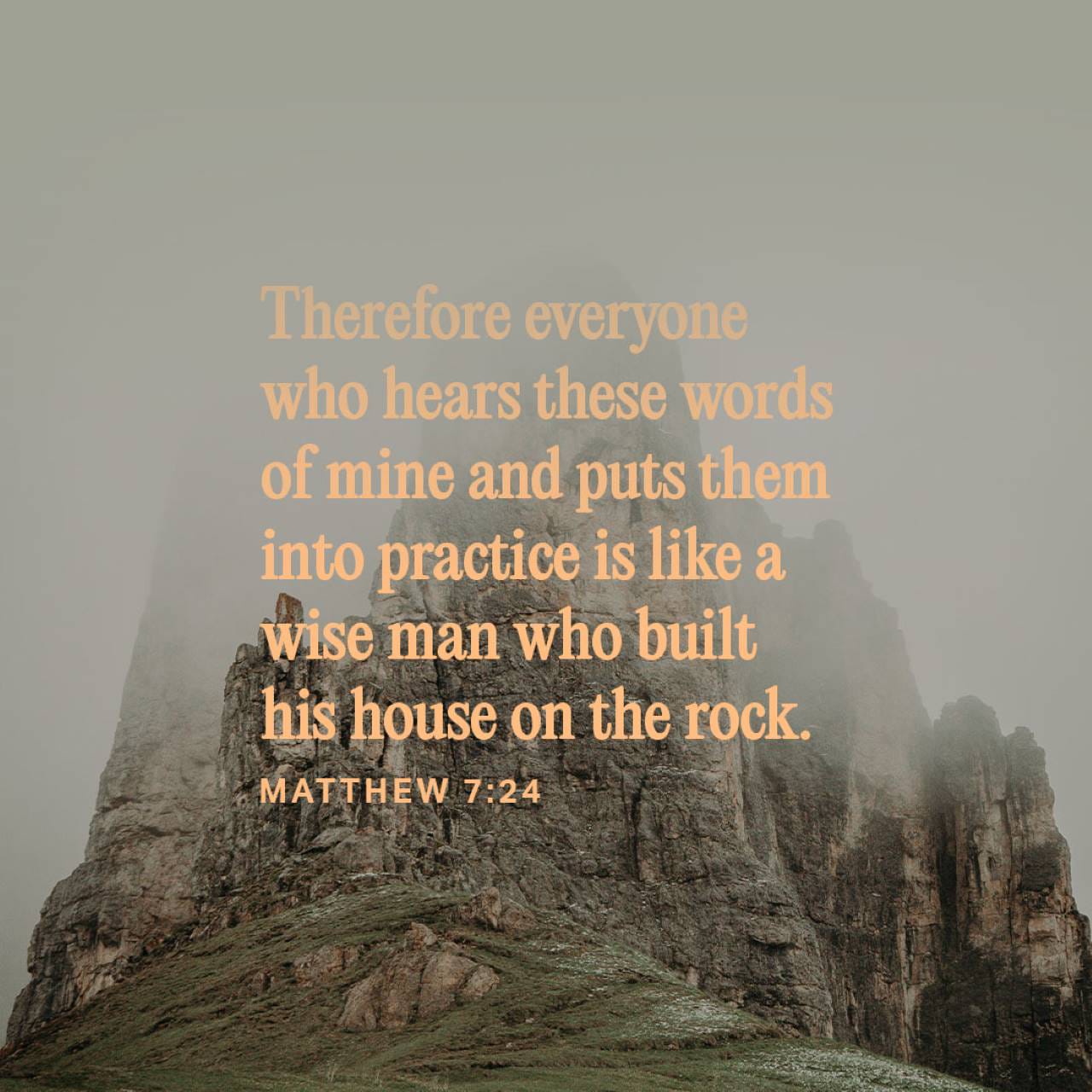
“Therefore whosoever heareth these sayings of mine, and doeth them, I will liken him unto a wise man, which built his house upon a rock: and the rain descended, and the floods came, and the winds blew, and beat upon that house; and it fell not: for it was founded upon a rock. And every one that heareth these sayings of mine, and doeth them not, shall be likened unto a foolish man, which built his house upon the sand: and the rain descended, and the floods came, and the winds blew, and beat upon that house; and it fell: and great was the fall of it. And it came to pass, when Jesus had ended these sayings, the people were astonished at his doctrine: For he taught them as one having authority, and not as the scribes.”
Matthew 7:24-29 KJV
https://bible.com/bible/1/mat.7.24-29.KJV