Trust and Obey
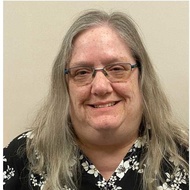
This community is to share the Love of Christ. Discuss scripture and how it relates to the world today. I will be telling you about how scripture has changed my life.
I will share about Christian books I have read or listened to.
I will be sharing about my life before and after Christ. I will include stories about my pet and other pets I have encountered.
I will share about Christian books I have read or listened to.
I will be sharing about my life before and after Christ. I will include stories about my pet and other pets I have encountered.
Interested? Want to learn more about the community?

RoseAnn @RMcKenry
June 26, 2024
“Then was brought unto him one possessed with a devil, blind, and dumb: and he healed him, insomuch that the blind and dumb both spake and saw. And all the people were amazed, and said, Is not this the son of David? But when the Pharisees heard it, they said, This fellow doth not cast out devils, but by Beelzebub the prince of the devils. And Jesus knew their thoughts, and said unto them, Every kingdom divided against itself is brought to desolation; and every city or house divided against itself shall not stand: and if Satan cast out Satan, he is divided against himself; how shall then his kingdom stand?”
Matthew 12:22-26 KJV,https://bible.com/bible/1/mat.12.22-26.KJV
Interested? Want to learn more about the community?
What else you may like…
Videos
Posts