
I will share about Christian books I have read or listened to.
I will be sharing about my life before and after Christ. I will include stories about my pet and other pets I have encountered.

The Truth About Death
No matter what part of this planet you live on, how well you take care of your body, or how much money is in your bank account, there is no escaping death.
Sound a little depressing? Sure. But there’s still good news! Really, really good news.
For those who belong to Christ, we have a hope that’s beyond this world…
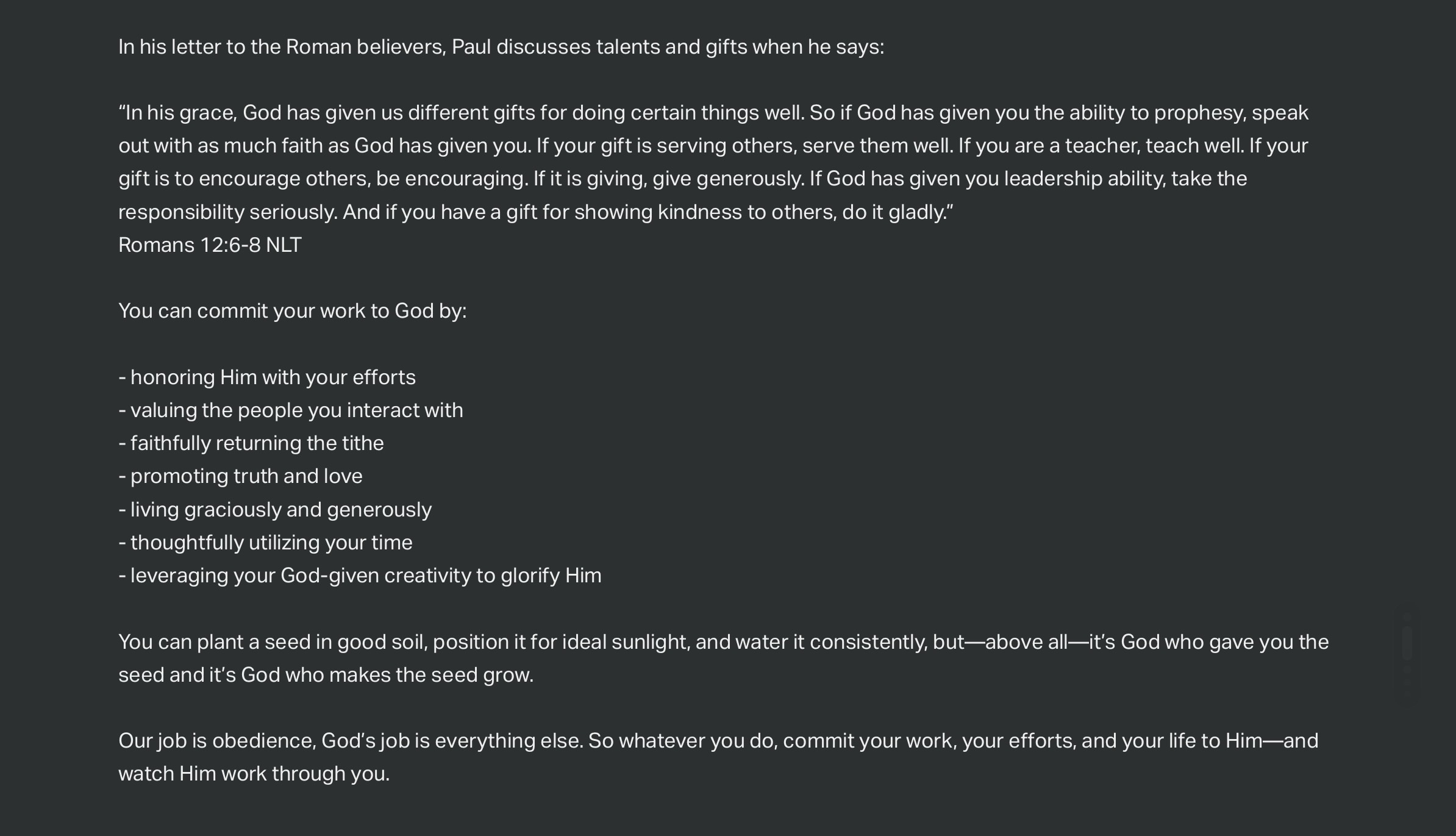
“The Spirit of God, who raised Jesus from the dead, lives in you. And just as God raised Christ Jesus from the dead, he will give life to your mortal bodies by this same Spirit living within you.”
Romans 8:11 NLT
Death is the greatest tool of our enemy, which is why Jesus came to defeat it. That’s why He became human, took the ultimate punishment, and put death in its rightful place—under the authority and dominion of God.
Yes, life is fleeting, but death is only temporary. And the Spirit of God can do what no human can—give life to the lifeless and redeem what has been lost.
The truth about death is that it’s not the end of the story.
Soon, God will wipe away every tear and make all things new. Just as a baby is given the miraculous and mysterious breath of life, His Spirit will revive the seemingly perished and bring the dead back to life.
Death is not the end of the story. For all who belong to Christ, that is the really, really good news.
Proverbs 16
English Standard Version
16 The plans of the heart belong to man,
but the answer of the tongue is from the Lord.
2 All the ways of a man are pure in his own eyes,
but the Lord weighs the spirit.[a]
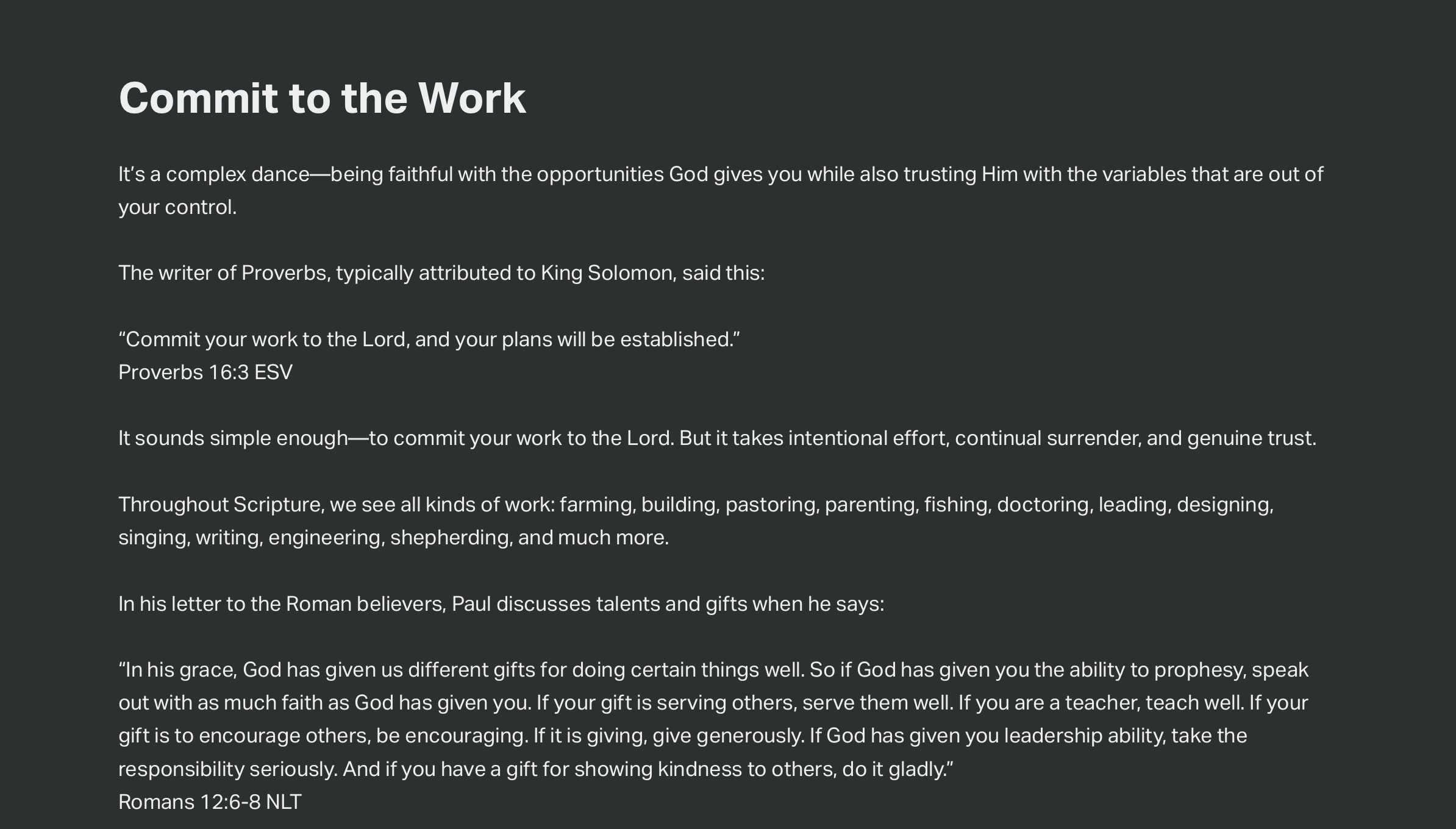
3 Commit your work to the Lord,
and your plans will be established.
4 The Lord has made everything for its purpose,
even the wicked for the day of trouble.
5 Everyone who is arrogant in heart is an abomination to the Lord;
be assured, he will not go unpunished.
6 By steadfast love and faithfulness iniquity is atoned for,
and by the fear of the Lord one turns away from evil.
7 When a man's ways please the Lord,
he makes even his enemies to be at peace with him.
8 Better is a little with righteousness
than great revenues with injustice.
9 The heart of man plans his way,
but the Lord establishes his steps.
10 An oracle is on the lips of a king;
his mouth does not sin in judgment.
11 A just balance and scales are the Lord's;
all the weights in the bag are his work.
12 It is an abomination to kings to do ...