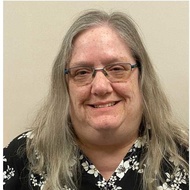
Trust and Obey
This community is to share the Love of Christ. Discuss scripture and how it relates to the world today. I will be telling you about how scripture has changed my life.
I will share about Christian books I have read or listened to.
I will be sharing about my life before and after Christ. I will include stories about my pet and other pets I have encountered.
I will share about Christian books I have read or listened to.
I will be sharing about my life before and after Christ. I will include stories about my pet and other pets I have encountered.
Interested? Want to learn more about the community?

RoseAnn @RMcKenry
November 15, 2024
“Which made heaven, and earth, the sea, and all that therein is: Which keepeth truth for ever: Which executeth judgment for the oppressed: Which giveth food to the hungry. The LORD looseth the prisoners: The LORD openeth the eyes of the blind: The LORD raiseth them that are bowed down: The LORD loveth the righteous: The LORD preserveth the strangers; He relieveth the fatherless and widow: But the way of the wicked he turneth upside down. The LORD shall reign for ever, even thy God, O Zion, Unto all generations. Praise ye the LORD.”
Psalm 146:6-10 KJV
https://bible.com/bible/1/psa.146.6-10.KJV
Interested? Want to learn more about the community?
What else you may like…
Videos
Posts