
I will share about Christian books I have read or listened to.
I will be sharing about my life before and after Christ. I will include stories about my pet and other pets I have encountered.

The Greatest Commandment
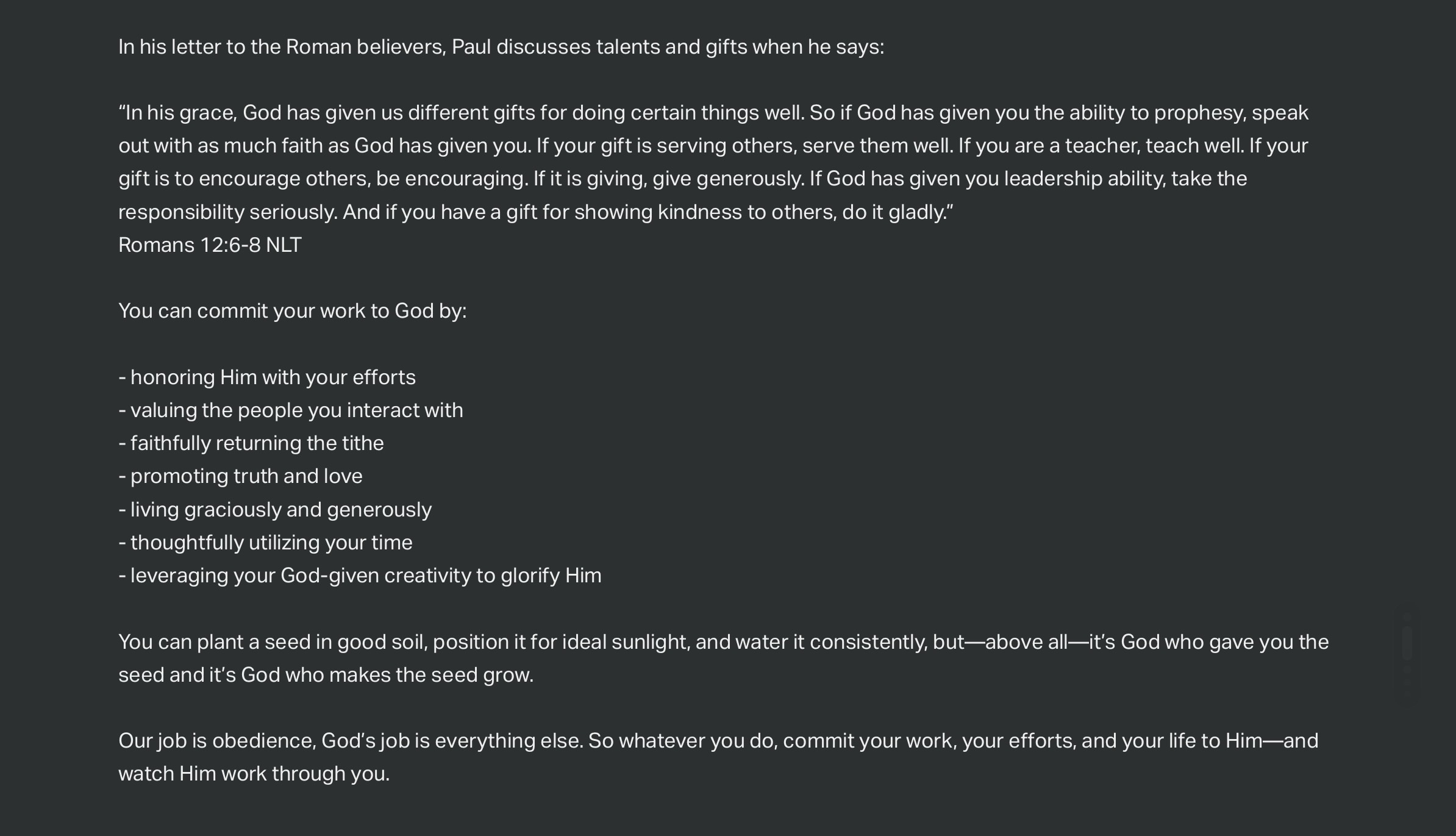
In Matthew 22:37 NIV, Jesus said, "Love the Lord your God with all your heart and with all your soul and with all your mind." This verse is a powerful reminder of the greatest commandment, calling us to a wholehearted devotion to God. It challenges us to examine the depth and sincerity of our love for Him, urging us to go beyond following the rules of religious traditions and to cultivate an intimate, all-encompassing relationship with our Creator.
Loving God with all our heart means that our emotions and desires are aligned with His will. It means that we prioritize Him above all else, allowing His love to shape our affections and guide our decisions. When we love God with all our soul, we are committing our very being to Him. Our identity, purpose, and existence are rooted in His love, and we find our true fulfillment in living for His glory.
To love God with all our mind is to engage our intellect in the pursuit of knowing Him more deeply. It involves meditating on His Word, seeking His wisdom, and allowing His truth to transform our thoughts and perspectives. This holistic love for God is not a one-time event but a daily, intentional choice to surrender every aspect of our lives to Him.
Reflecting on this commandment, we’re reminded that our love for God should be evident in every area of our lives. It should influence how we interact with others, how we spend our time, and how we use our resources. As we grow in our love for God, we become more attuned to His presence and more responsive to His leading.
Today, let’s surrender our hearts, souls, and minds to God. Let us seek to deepen our relationships with Him, knowing that as we do, we will experience the fullness of His love and the abundant life He promises.
Proverbs 16
English Standard Version
16 The plans of the heart belong to man,
but the answer of the tongue is from the Lord.
2 All the ways of a man are pure in his own eyes,
but the Lord weighs the spirit.[a]
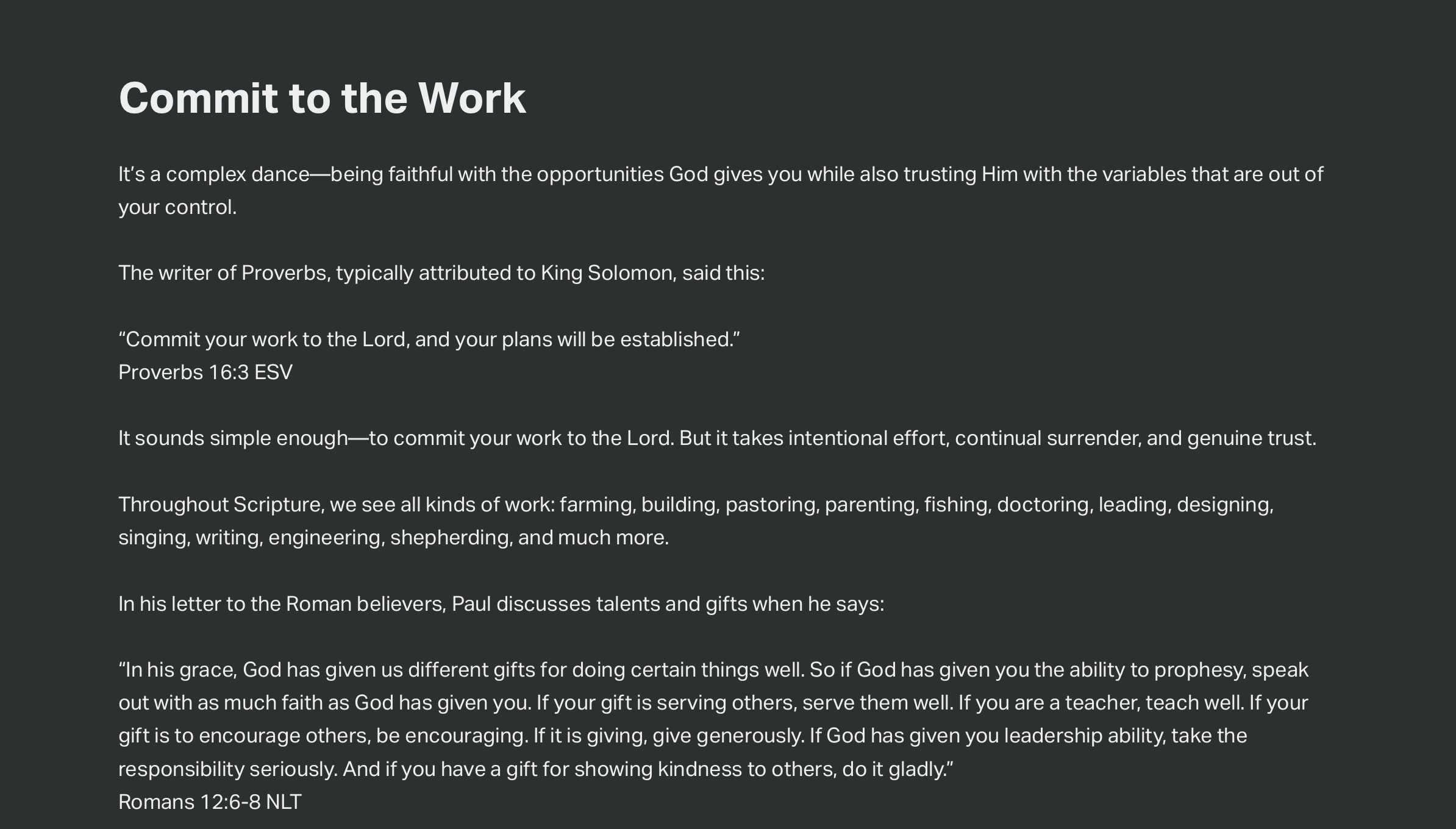
3 Commit your work to the Lord,
and your plans will be established.
4 The Lord has made everything for its purpose,
even the wicked for the day of trouble.
5 Everyone who is arrogant in heart is an abomination to the Lord;
be assured, he will not go unpunished.
6 By steadfast love and faithfulness iniquity is atoned for,
and by the fear of the Lord one turns away from evil.
7 When a man's ways please the Lord,
he makes even his enemies to be at peace with him.
8 Better is a little with righteousness
than great revenues with injustice.
9 The heart of man plans his way,
but the Lord establishes his steps.
10 An oracle is on the lips of a king;
his mouth does not sin in judgment.
11 A just balance and scales are the Lord's;
all the weights in the bag are his work.
12 It is an abomination to kings to do ...