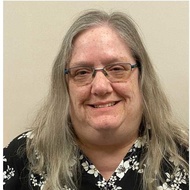
I will share about Christian books I have read or listened to.
I will be sharing about my life before and after Christ. I will include stories about my pet and other pets I have encountered.

“Then again called they the man that was blind, and said unto him, Give God the praise: we know that this man is a sinner. He answered and said, Whether he be a sinner or no, I know not: one thing I know, that, whereas I was blind, now I see. Then said they to him again, What did he to thee? how opened he thine eyes? He answered them, I have told you already, and ye did not hear: wherefore would ye hear it again? will ye also be his disciples? Then they reviled him, and said, Thou art his disciple; but we are Moses' disciples. We know that God spake unto Moses: as for this fellow, we know not from whence he is. The man answered and said unto them, Why herein is a marvellous thing, that ye know not from whence he is, and yet he hath opened mine eyes. Now we know that God heareth not sinners: but if any man be a worshipper of God, and doeth his will, him he heareth. Since the world began was it not heard that any man opened the eyes of one that was born blind. If this man were not of God, he could do nothing. They answered and said unto him, Thou wast altogether born in sins, and dost thou teach us? And they cast him out. Jesus heard that they had cast him out; and when he had found him, he said unto him, Dost thou believe on the Son of God? He answered and said, Who is he, Lord, that I might believe on him? And Jesus said unto him, Thou hast both seen him, and it is he that talketh with thee. And he said, Lord, I believe. And he worshipped him. And Jesus said, For judgment I am come into this world, that they which see not might see; and that they which see might be made blind. And some of the Pharisees which were with him heard these words, and said unto him, Are we blind also? Jesus said unto them, If ye were blind, ye should have no sin: but now ye say, We see; therefore your sin remaineth.”
John 9:24-41 KJV
https://bible.com/bible/1/jhn.9.24-41.KJV