
I will share about Christian books I have read or listened to.
I will be sharing about my life before and after Christ. I will include stories about my pet and other pets I have encountered.

God Keeps His Promises
“'The days are coming,’ declares the Lord, ‘when I will fulfill the good promise I made to the people of Israel and Judah.”
Jeremiah 33:14 NIV
A lot of people would have laughed at Jeremiah when he said these words. Why? Because it seemed like God had abandoned both Israel and Judah.
At this point in the story of the Bible, Israel is gone—wiped out by an invading army. Now Judah is alone, and another massive army is at their gates to destroy them too. The situation couldn’t have been more hopeless.
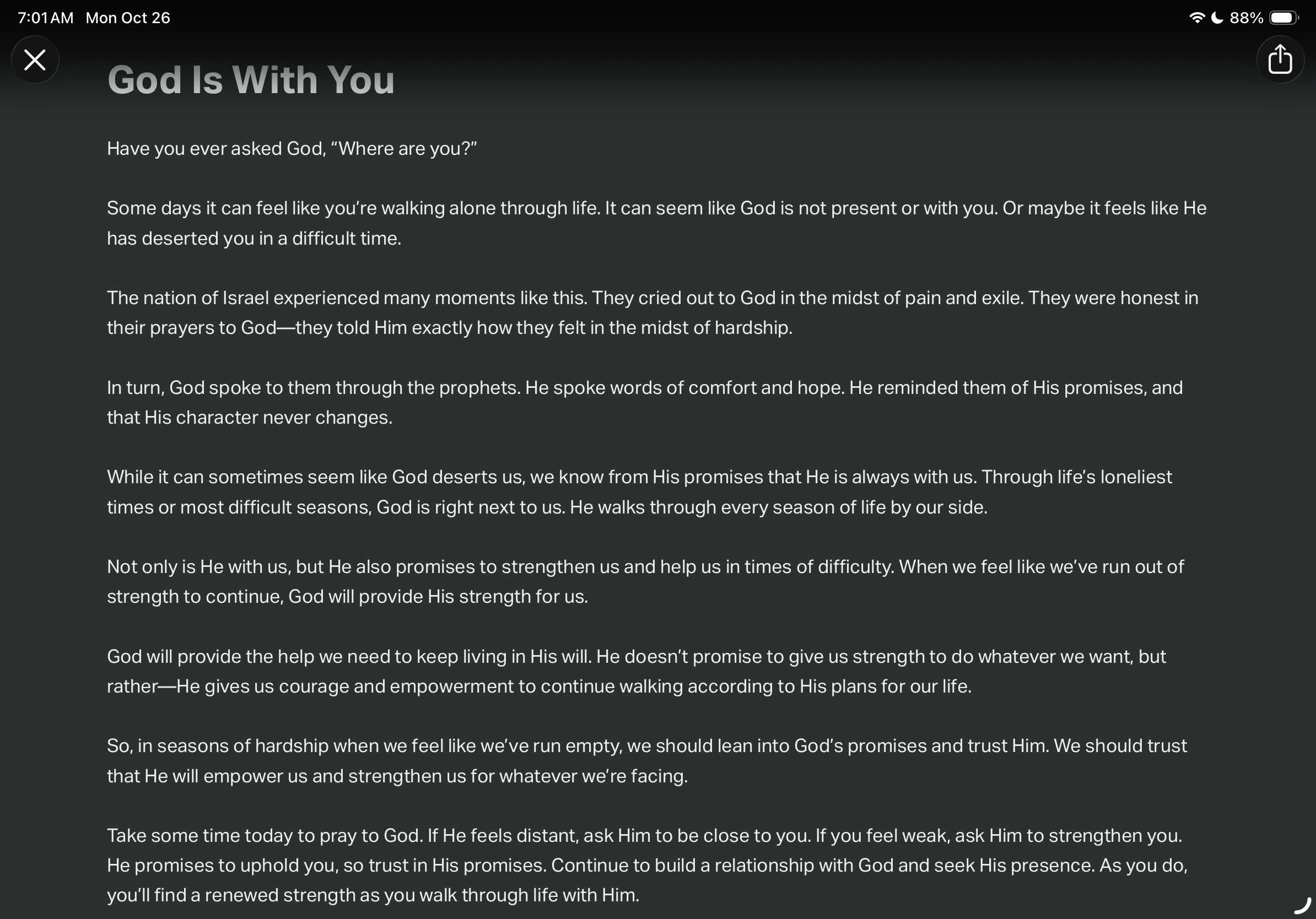
Have you ever experienced a moment like that? Maybe it was a life-changing loss, or impossibly difficult news. In those painful moments, it can feel impossible to trust God’s promises. The people listening to Jeremiah probably felt the same way. But it wasn’t the end of their story because circumstances can’t ruin God’s promises.
Yes, the enemy broke in and took God’s people into captivity for decades. But God didn’t abandon His people or give up on His promises. Over time, He rescued His people from captivity and brought them back home.
God hasn’t abandoned you in your pain either. You might feel like there’s no way out of your situation, or that your choices disqualify you from God’s love. But God keeps His promises.
For generations after returning from captivity, God’s people struggled. They continued to face heartbreak, setbacks, invasions, and captivity. But when they least expected it, God fulfilled His promise. He sent His son, Jesus, to lead everyone, including the people of Israel and Judah, into a new and better future.
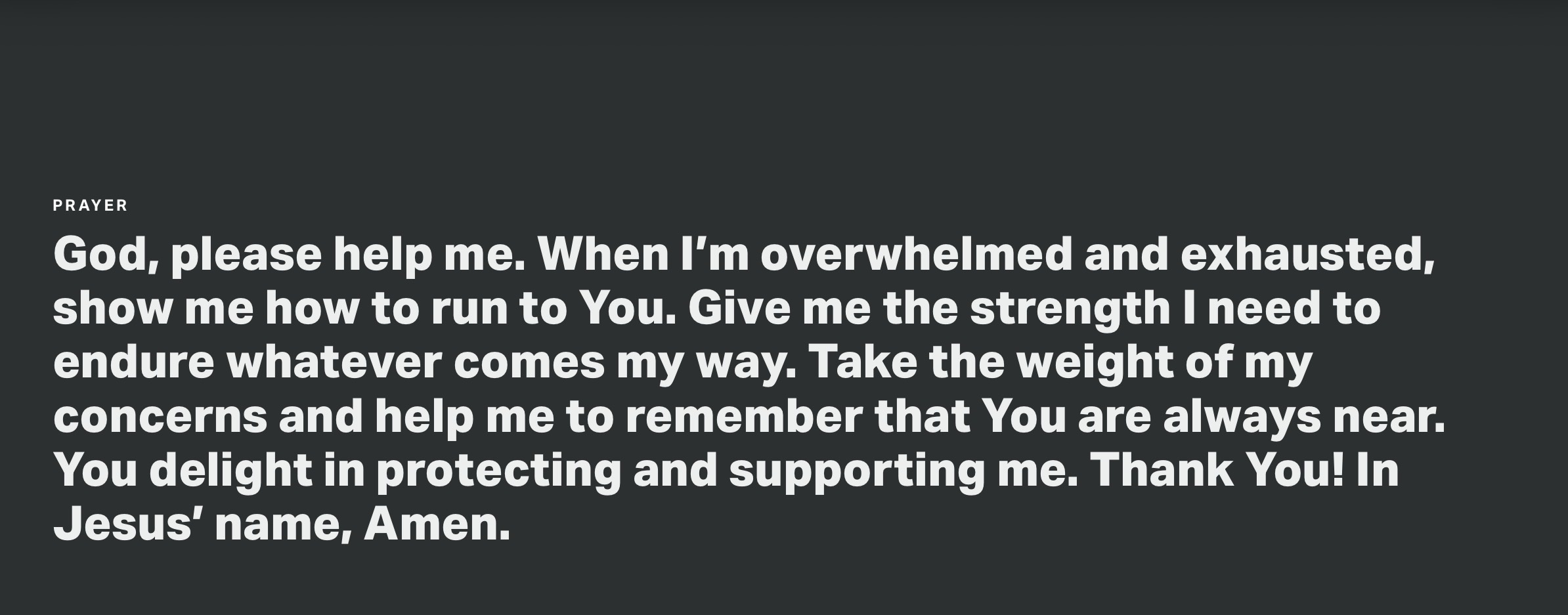
God's promise of a better future applies to you, too. When we pursue God with our whole lives, we find peace, strength, and contentment. And we live with confidence knowing that one day, we’ll get to spend eternity with Jesus. We have new life believing that God has fulfilled His promise.
Isaiah 41
English Standard Version
Fear Not, for I Am with You
41 Listen to me in silence, O coastlands;
let the peoples renew their strength;
let them approach, then let them speak;
let us together draw near for judgment.
2 Who stirred up one from the east
whom victory meets at every step?[a]
He gives up nations before him,
so that he tramples kings underfoot;
he makes them like dust with his sword,
like driven stubble with his bow.
3 He pursues them and passes on safely,
by paths his feet have not trod.
4 Who has performed and done this,
calling the generations from the beginning?
I, the Lord, the first,
and with the last; I am he.
5 The coastlands have seen and are afraid;
the ends of the earth tremble;
they have drawn near and come.
6 Everyone helps his neighbor
and says to his brother, “Be strong!”
7 The craftsman strengthens the goldsmith,
and he who smooths with the hammer him who strikes the anvil,
saying of the soldering, “It is good”;
and they strengthen it with nails so that it cannot be moved.
8 But you, Israel, my ...