
I will share about Christian books I have read or listened to.
I will be sharing about my life before and after Christ. I will include stories about my pet and other pets I have encountered.

Remember What God Has Done
Remembering what God has done is an important part of Jewish worship...
After God delivered the Israelites from Egypt, He instructed the people to remember His words. He told them to diligently teach His commands, and to talk about them in their houses, when they walked, when they were lying down, and when they got up in the morning (Deuteronomy 6:7).
The Israelites were told to constantly remember what God had done, who God was, and what He had said.
And so, in Psalm 85:2, the Psalmist engages in an act of remembrance by reflecting on God’s forgiveness:
“You forgave the iniquity of your people; you covered all their sin.” (ESV)
The Israelites had sinned against God many times, and many times over God forgave them. The author of Psalm 85 didn’t want Israel to forget God’s great kindness, so he crafted a Psalm that would remind anyone who repeated it of God’s mercy, forgiveness, power, and love.
The Psalmist appeared to know that purposefully remembering what God has done is a powerful practice—a powerful practice that we should take part in.
- Remembrance helps us think about the grace and love of God.
- Remembrance provides reassurance that we are right with God through Jesus.
- Remembrance fills us with hope that God will be faithful to do what He’s promised.
- Remembrance strengthens our faith in God and His Word.
- Remembrance helps us worship God for what He has done and all that He will do.
Developing a practice of remembrance will keep our minds fixed on God, and keep our hearts connected to His grace.
So what are some of the things you can purposefully reflect on and thank God for? Here are a few ideas to get you started:
- Remember He sent His one and only son to die for the sins of the world.
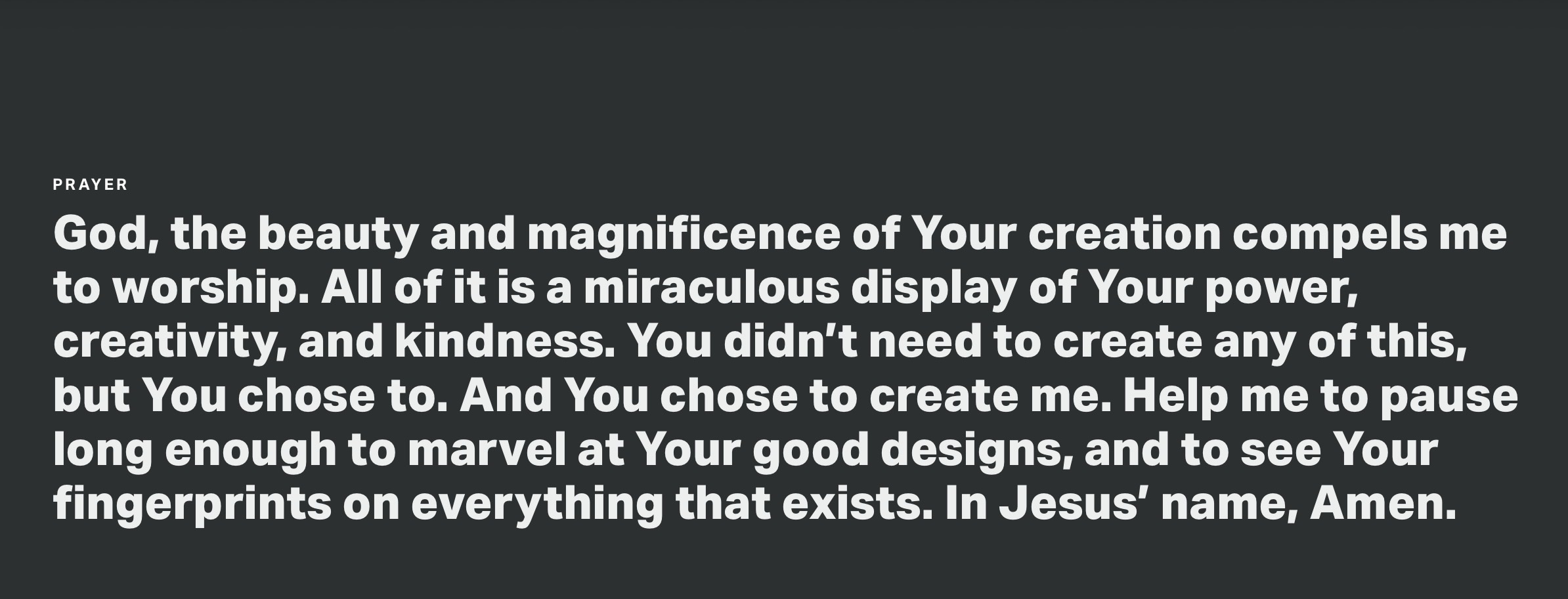
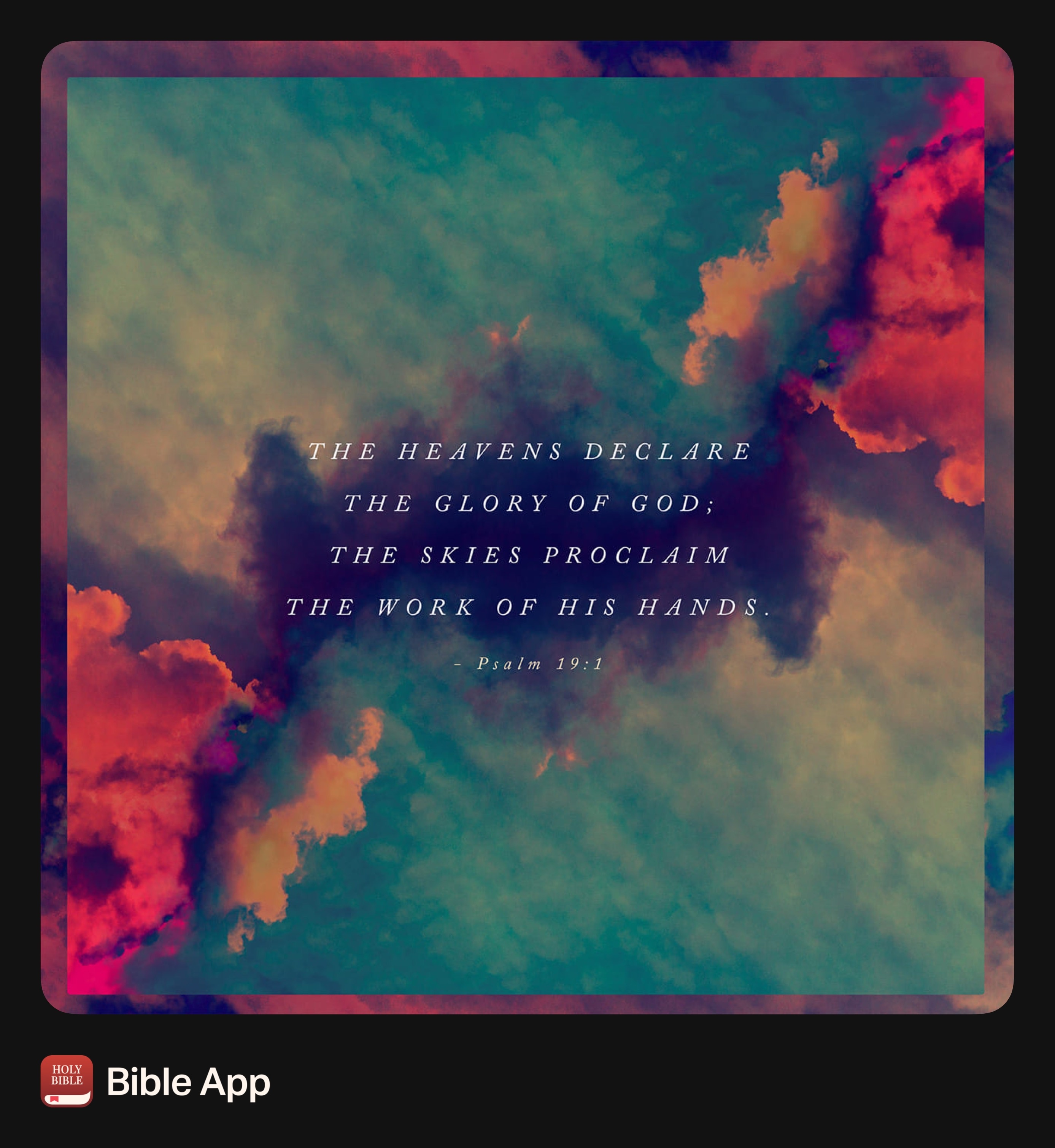
- Remember He created the world, and praise Him for it.
- Remember He has filled you with His Holy Spirit to remind you of His words and transform you into the likeness of Jesus.
- Remember the grace and love He has for you.